Designing a beautiful and functional living space involves more than selecting stylish furniture. True interior excellence comes from understanding how elements like lighting and texture interact with your furniture to create a cohesive and inviting atmosphere. These two often-overlooked factors play a critical role in how a room feels, functions, and ultimately reflects your personal style.
At Convy Living, we believe that furniture placement is not just about filling a space—it is about creating balance, enhancing comfort, and elevating the overall experience of your home. Lighting and texture are key to achieving this harmony.
The Power of Lighting in Shaping Your Space
Lighting is one of the most transformative elements in interior design. It influences how colors appear, how spacious a room feels, and how comfortable it is for everyday use. A well-lit room feels alive and welcoming, while poor lighting can make even the most expensive furniture look dull and uninviting.
Natural light is particularly valuable. When furniture is thoughtfully arranged to take advantage of sunlight, it instantly enhances the warmth and openness of a room. Positioning sofas and seating areas near windows allows light to flow freely across the space, highlighting fabrics, colors, and finishes. On the other hand, blocking natural light with bulky furniture can make a room feel smaller and less appealing.
Artificial lighting also plays a vital role. A single overhead light is rarely enough to properly illuminate a space. Instead, a layered approach combining ambient, task, and accent lighting creates depth and functionality. For instance, a floor lamp placed beside a sofa transforms it into a cozy reading corner, while soft accent lighting can draw attention to key furniture pieces or architectural features.
Ultimately, lighting should guide your furniture placement, not the other way around. When light sources are considered first, every piece of furniture finds its most effective and visually pleasing position.
How Texture Brings Depth and Character
While lighting determines how we see a space, texture determines how we experience it. Texture adds richness, contrast, and personality to a room, preventing it from feeling flat or lifeless.
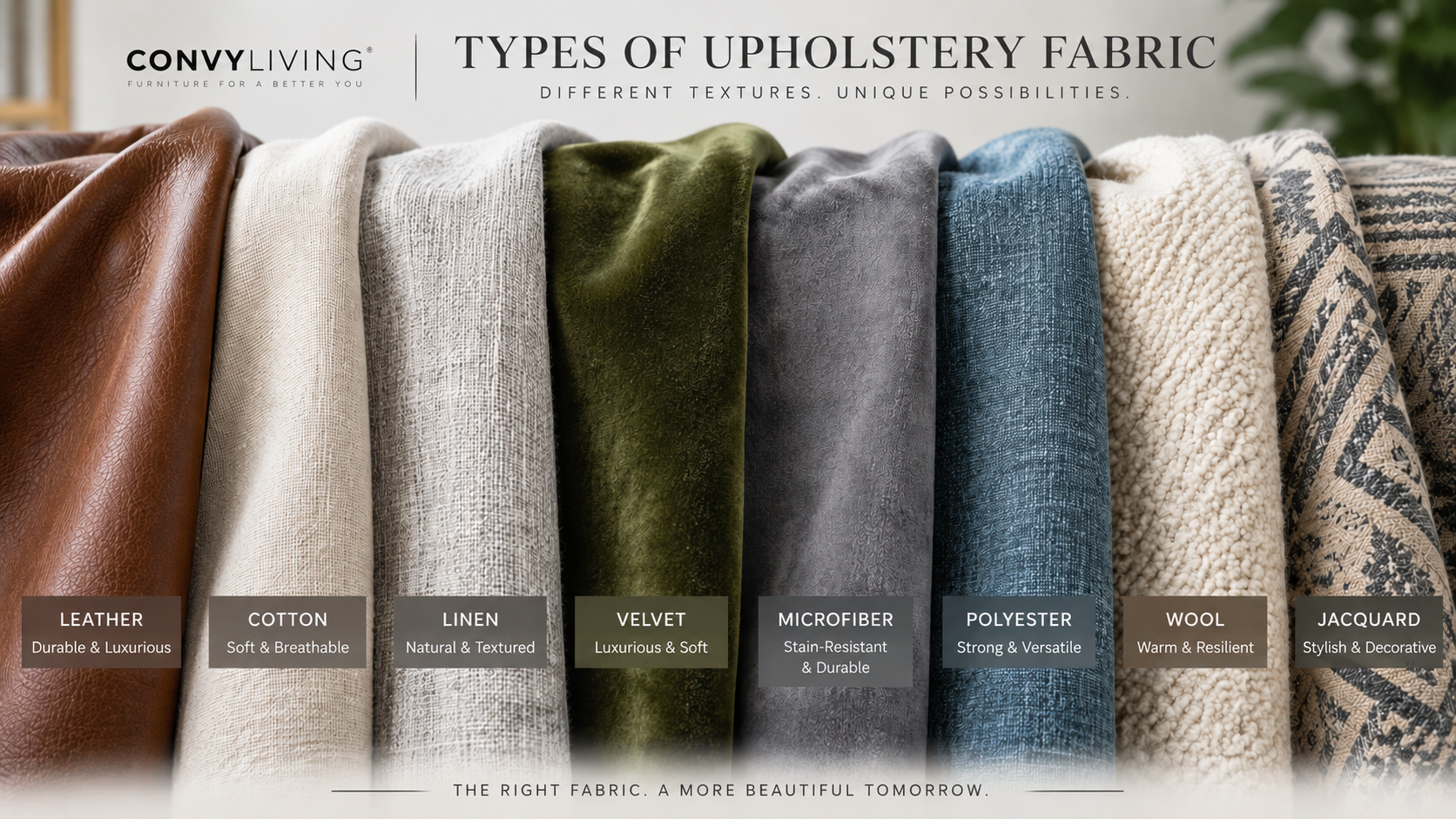
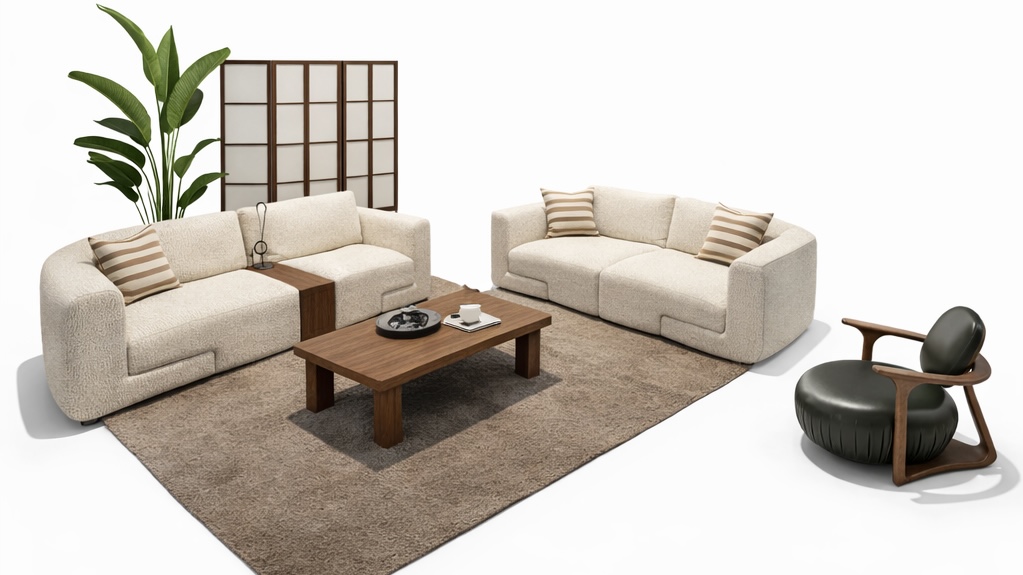
In furniture design, texture appears in many forms, from the softness of upholstered sofas to the smoothness of polished wood or the sleekness of metal finishes. A well-designed space often combines multiple textures to create visual interest. For example, a plush fabric sofa paired with a wooden coffee table and a woven rug creates a layered, inviting look that feels both comfortable and sophisticated.
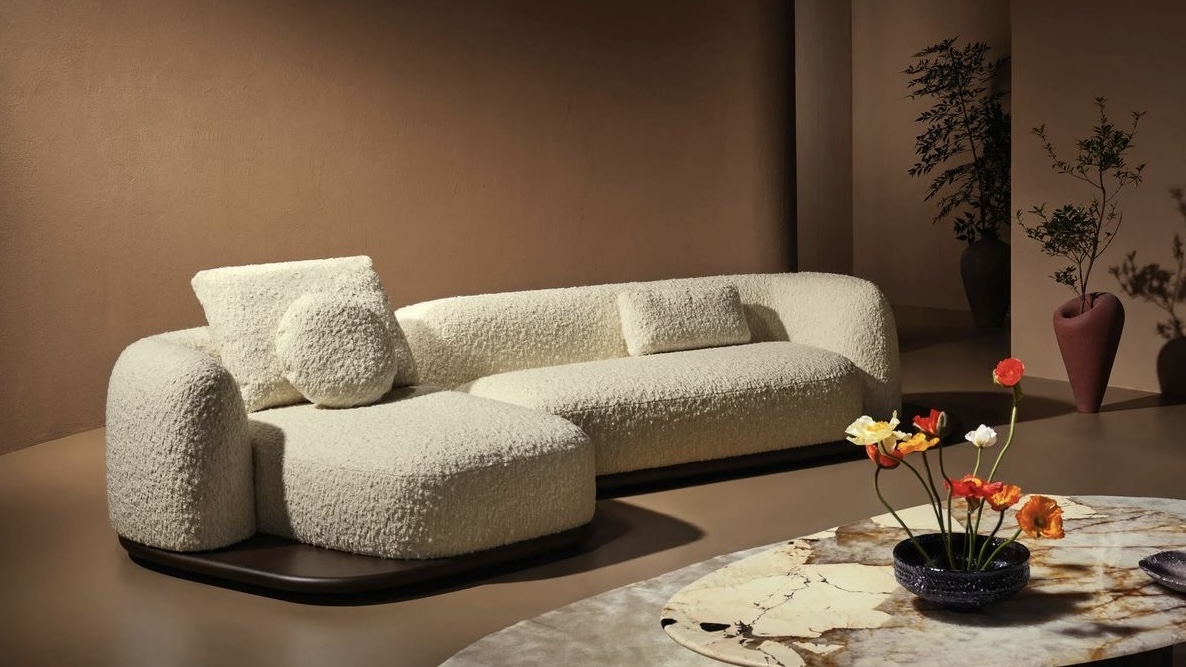
Texture also influences how furniture should be arranged. Heavier, more textured pieces tend to draw attention and naturally become focal points in a room. Placing such items - like a tufted sofa or a richly grained wooden table in central or well-lit areas allows their details to stand out. Meanwhile, lighter or smoother pieces can be used to balance the overall design without overwhelming the space.
The key is balance. Too many similar textures can make a room feel monotonous, while too many contrasting ones can create visual chaos. Thoughtful placement ensures that textures complement rather than compete with one another.
The Relationship Between Lighting and Texture
Lighting and texture are deeply connected. One enhances the other, and when used together effectively, they can dramatically elevate the overall design of a space.
Light has the ability to highlight or soften textures. For instance, soft, warm lighting enhances the richness of fabrics like velvet or linen, making them appear more inviting and luxurious. Brighter lighting, on the other hand, emphasizes clean lines and smooth surfaces, making it ideal for modern interiors with glass or metal elements.
This relationship becomes especially important when arranging furniture. A beautifully textured sofa placed in a poorly lit corner will lose its visual impact, while the same piece positioned under the right lighting becomes a standout feature. Similarly, reflective materials like glass or polished metal can amplify light, making a room feel more open and spacious.
By carefully considering how light interacts with different materials, you can create a space that feels dynamic, balanced, and thoughtfully designed.
Creating a Balanced and Functional Living Space
Achieving the perfect balance between lighting, texture, and furniture placement requires intentional design decisions. Every piece of furniture should serve both a functional and aesthetic purpose, working in harmony with the surrounding elements.
Start by identifying the natural focal points of your room, such as windows or architectural features, and arrange your furniture to complement them. Ensure that light - both natural and artificial reaches key areas where activities take place. Seating areas, for example, should feel bright and inviting during the day and comfortably lit in the evening.
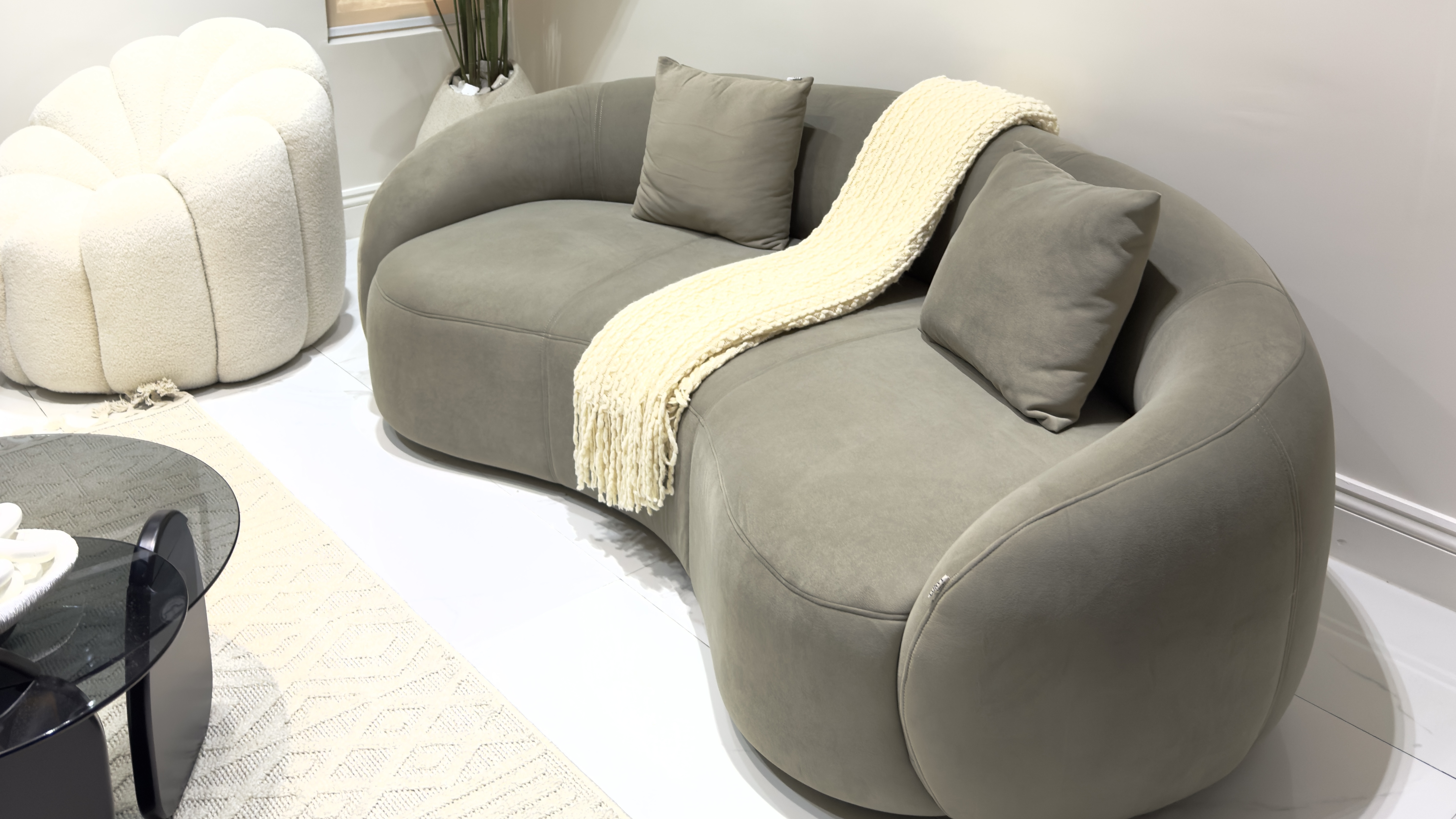
At the same time, introduce a variety of textures through your furniture and décor. Layering elements like cushions, rugs, and throws adds warmth and depth, making the space feel complete. However, it is important to avoid overcrowding, as too many elements can disrupt the flow of light and make the room feel cluttered.
A well-designed space feels effortless, but it is always the result of careful planning and attention to detail.
Common Mistakes to Avoid
Many homeowners focus solely on furniture selection while overlooking the importance of lighting and texture. This often leads to spaces that feel incomplete or unbalanced. Placing furniture without considering light sources can create dark, unused corners, while relying on a single type of texture can make a room feel flat and uninspired.
Another common mistake is blocking natural light with oversized furniture or heavy curtains. This not only reduces brightness but also diminishes the overall appeal of the space. Similarly, poor lighting choices can hide the beauty of textured materials, preventing them from making the impact they should.
Being mindful of these pitfalls can help you create a more cohesive and visually pleasing environment.
Conclusion
Lighting and texture are essential elements that bring furniture placement to life. While furniture provides structure and function, it is lighting that reveals its beauty and texture that adds depth and personality. Together, they create a space that is not only visually appealing but also comfortable and functional.
At Convy Living, we understand that great design lies in the details. By carefully considering how lighting and texture interact with your furniture, you can transform your living space into a refined, welcoming environment that truly feels like home.